Beauth Fix: Are You Flaking Out?

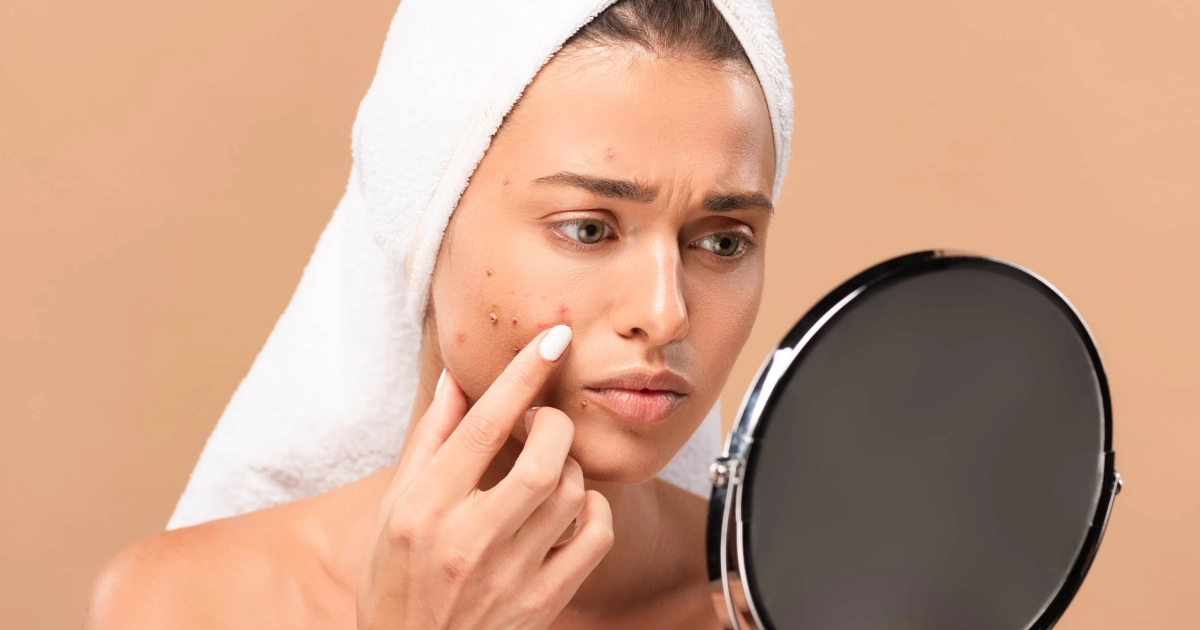
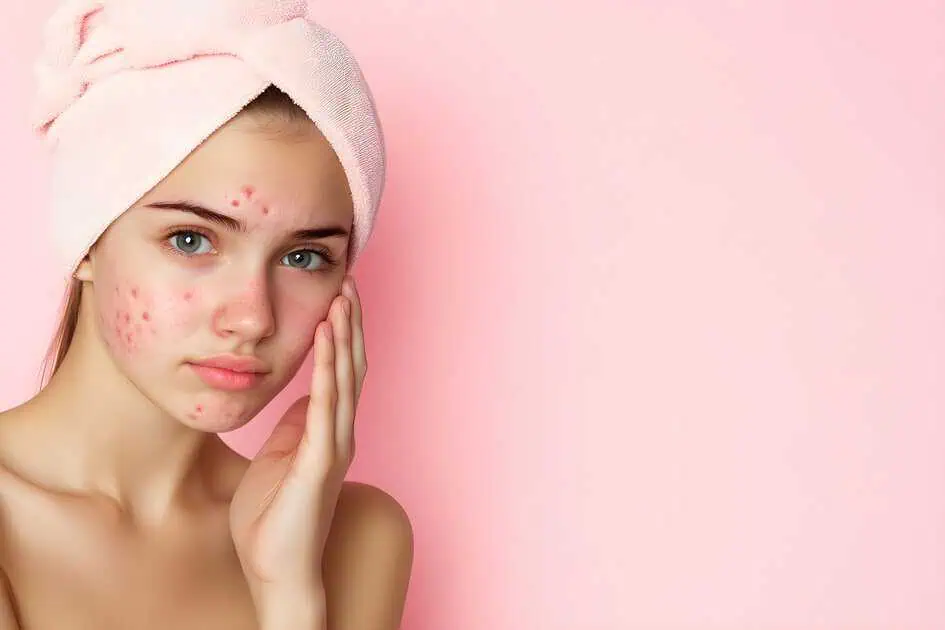
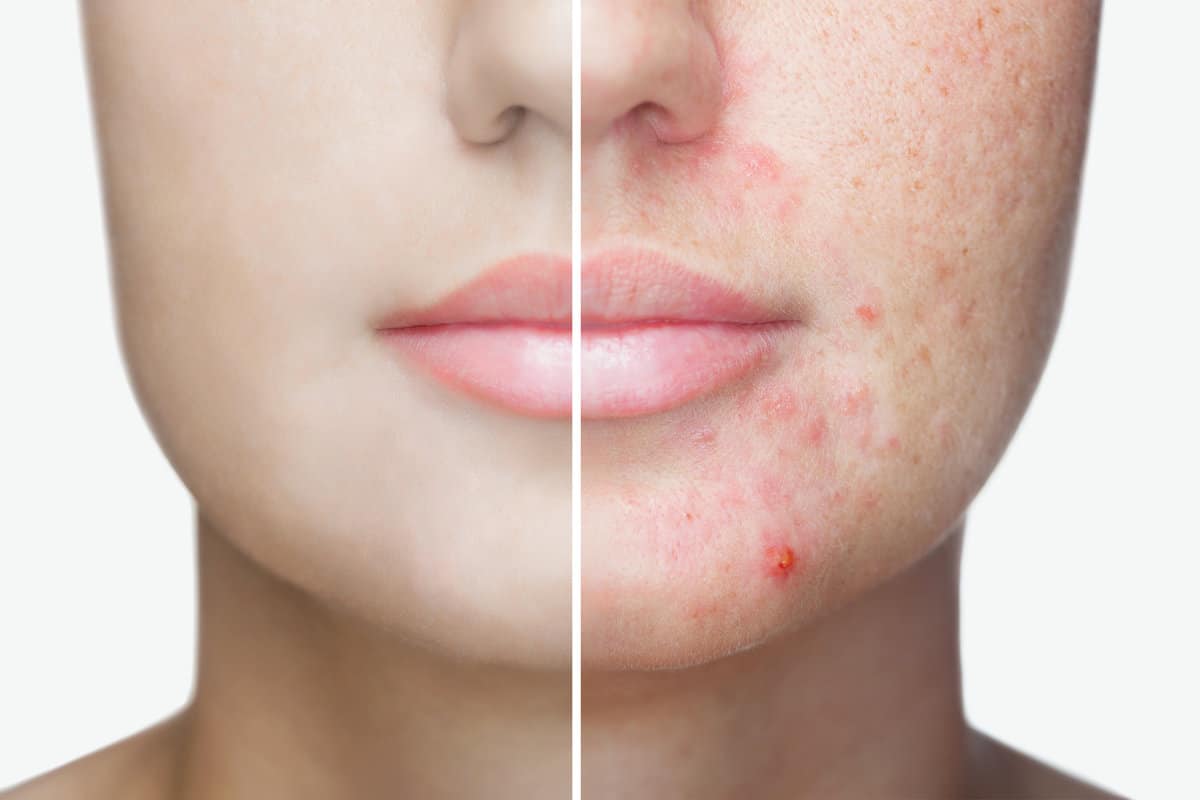
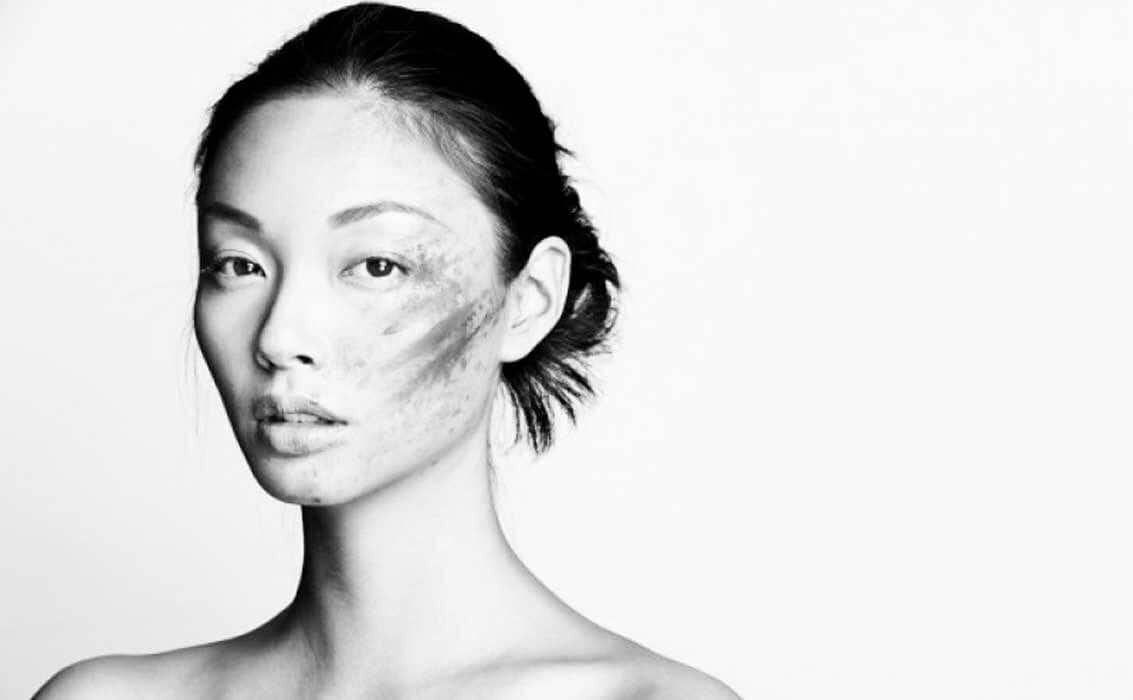
Here’s your quick, all-natural beauty fix for the day: if your skin is flaking out, the remedy might not be in the drugstore aisle. Altering your diet by cutting out some foods and nutrients—and getting more of others—is your best bet. What are we talking about? Basically, dandruff, or flaky skin on the scalp, in the eyebrows, and behind the ears. It can also occur on the face, around the nostrils, and in the smile lines, causing a serious disruption to your normally smooth, healthy glow. Here are three quick tips for fixing this less-than-sexy beauty snafu:


1. Sugar fix:  A diet high in refined sugars and fats actually encourages yeast growth on the skin. Cut out processed fats and white carbs (this means white flour, white sugar, and high fructose corn syrup) to lower blood sugar levels and decrease inflammation and flaking of the skin.


2. Plant fix: In addition to avoiding what comes in a plastic wrapper, choose to eat more plants.  I tell my patients to eat from the rainbow—if you’re eating seven colors of fruits and vegetables each day, you won’t be hungry for much else.  A plant-rich diet will also make the body more alkaline (less acidic) by raising the pH above 7.0. This decreases inflammation throughout the body. Try it and trust me, you will be glowing within a matter of weeks! Oh, and your aches and pains may make their exit, too.


3. Fix the holes: Itchy flaky skin can also clue you into which nutrients might be missing from your diet. Selenium and zinc deficiencies have been cited as causing seborrheic dermatitis. In addition, adding the B vitamins, folate, and omega-3 oils (flax seed and fish oils) have all been shown to improve dandruff when a deficiency is present. A good quality supplement may be in order, in addition to a dietary rainbow approach to get you back on track with your optimal glowing skin.

Posted in beauty, Nutrition, Skin Care | Comments closed

Your Fresh-Face, Fountain-of-Youth Guide to Spring

Isn’t it funny how our cultural perspective values a thin body, but we like our faces “fat?” Full and round and sensual a la Mila Kunis, Emma Stone. Now a word of warning here: cultural perspective does not equal truth. Our views of beauty are subject to the time and place in which we are living. True beauty transcends these limitations, and many people age beautifully with no intervention at all.

But as a simple result of aging, we do lose volume in our face—it comes with a loss of fat in our cheeks, which can make our face sag and jowls appear. What else takes away from that healthy roundness? Well, we also lose fat in our temples, and around our eyes, nose, and mouth, which can contribute to a gaunt and a downturned appearance to the face. There is also some loss of bone structure in the jawline, and this can make our chins recede and our lips seem to disappear and “turn inward.”


That’s the bad news. But there’s a ton of good news… and while some of these fountain of youth tidbits are well-known, I’ve got a few that just might surprise you.


Here’s how to stave off that facial volume loss (or keep it to a minimum):


Well known: Stay hydrated. Drink tap water, filtered through a high-quality filter.

Lesser known: Drink from glass, not plastic (plastic has estrogen like compounds which are bad for you).


Do this everyday: Consume good fats and oils. This means monounsaturated fats (such as avocado) and polyunsaturated fats (found in fish oil, nuts, and seeds, such as flax seeds or sesame seeds).


Try this: Using a hyaluronic gel moisturizer. Why? It can help improve facial fullness to a certain extent by hydrating the top layers of the skin, but stay tuned, as this technology is being refined. We may soon have a facial filler that is truly wonderful at penetrating deeply and restoring volume through topical application.


Try this, too: Retinoid and topical antioxidants. Vitamin C can help keep skin elasticity and boost collagen production.


Well known: You can minimize the thinning effect of UV irradiation by avoiding prolonged exposure to the sun’s rays (especially dangerous on hot Charleston days) and wearing an SPF every day.
Lesser known: Damaging heat ALSO comes from your cell phone pressed against your cheek all day. Two products that protect skin from infared and ultraviolet radiation are Skinceuticals Antioxidant Serums (both CE Ferrulic and Phloretin CF).


Best thing you can do to maintain facial plumpness: Sleep on your back.

Worst thing you can do to deflate facial fullness: Smoke!


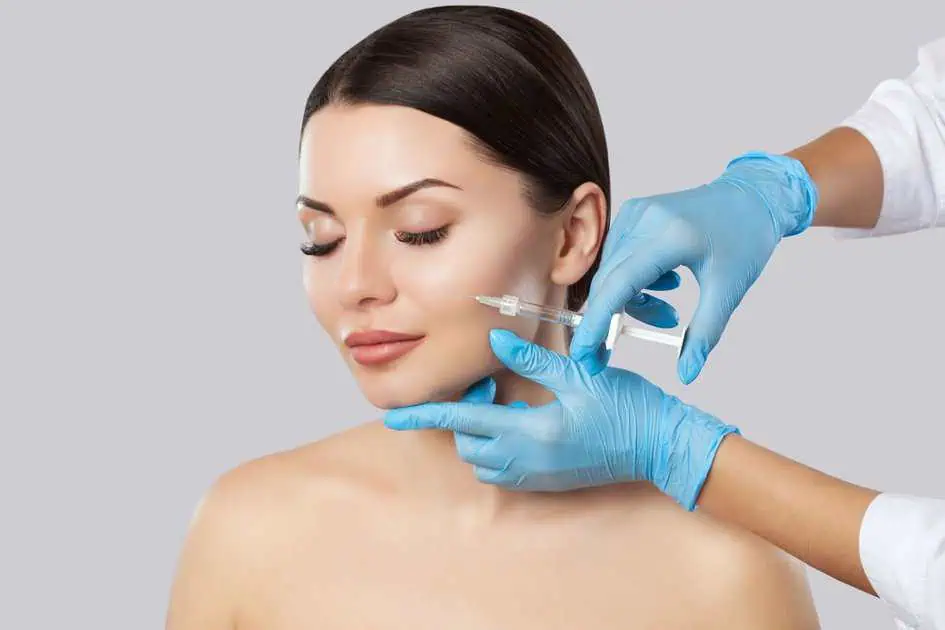
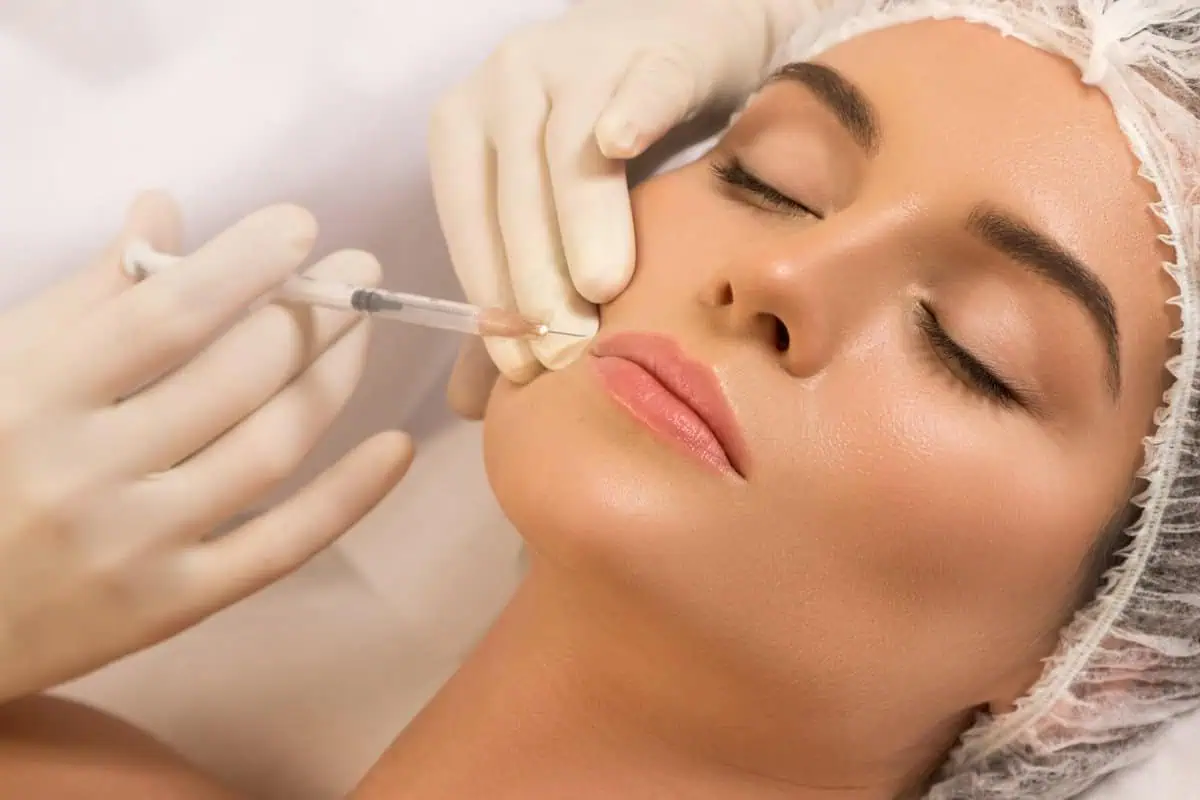
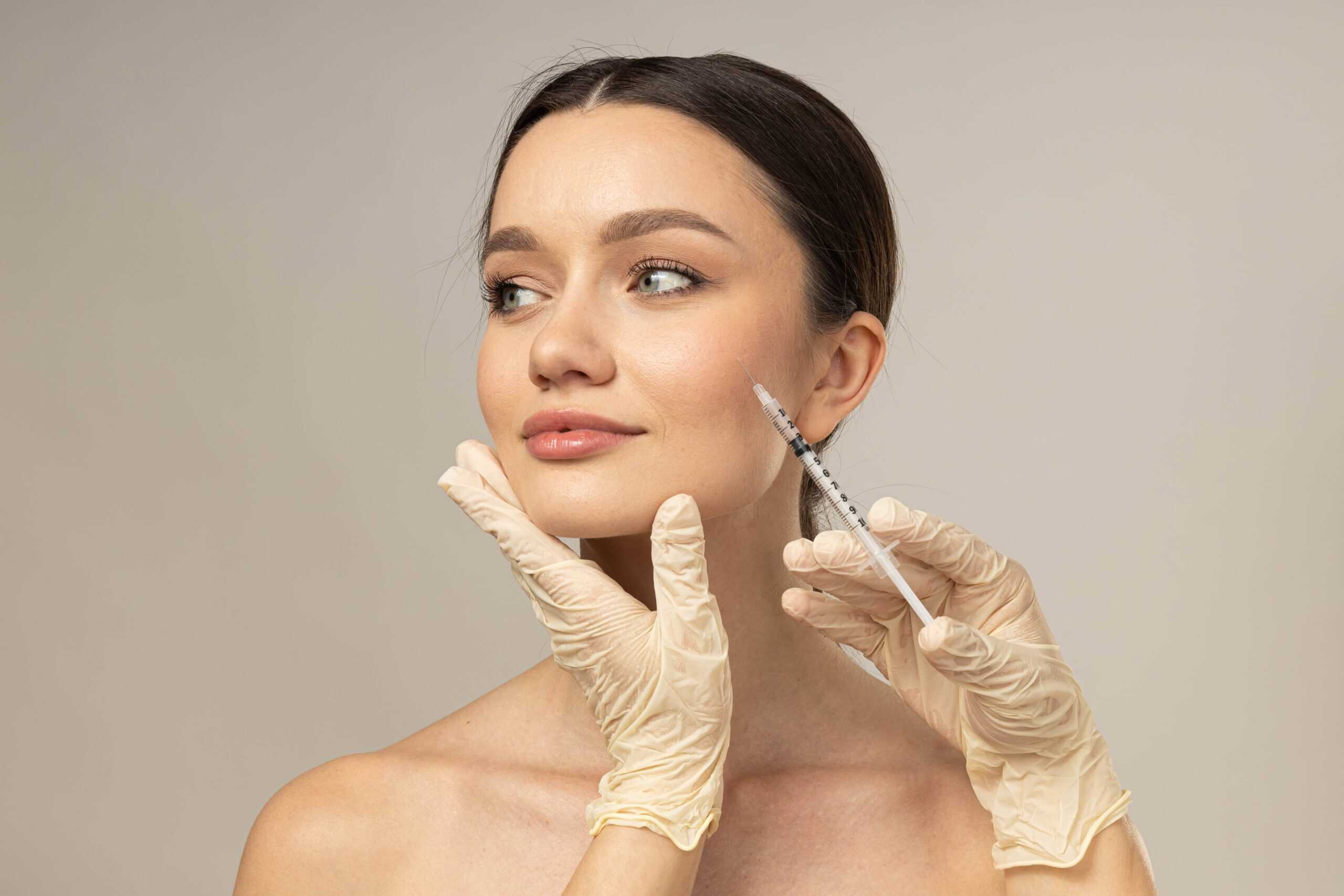
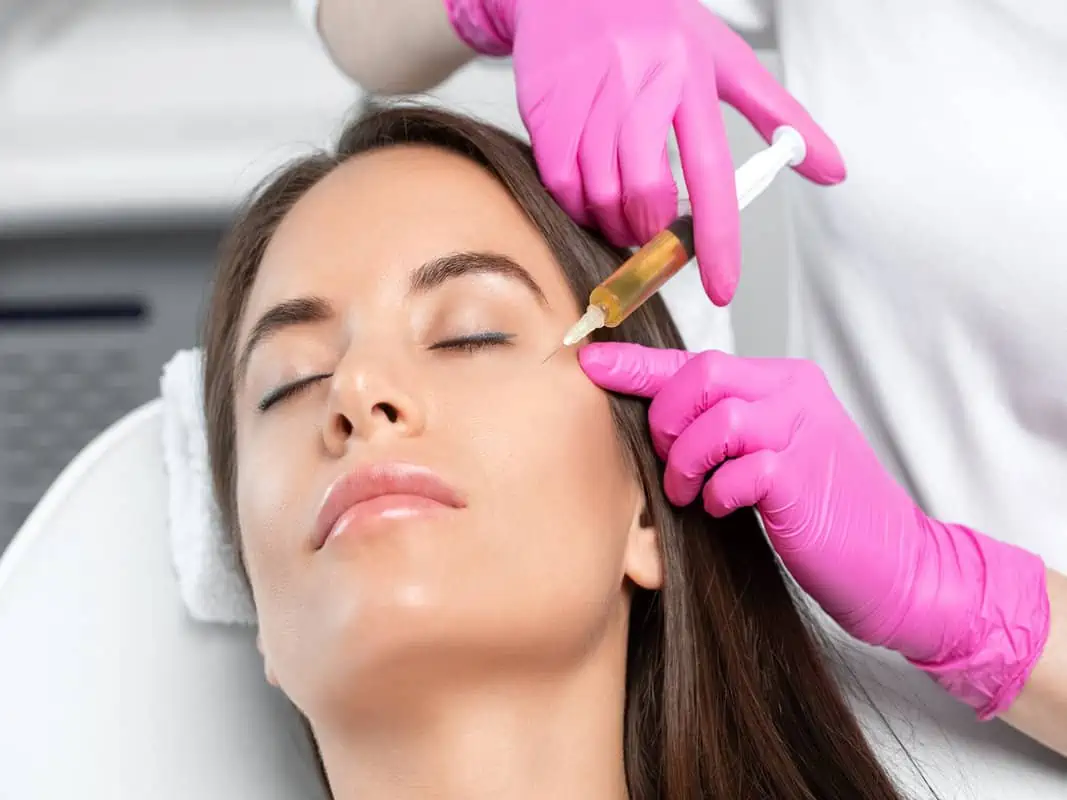
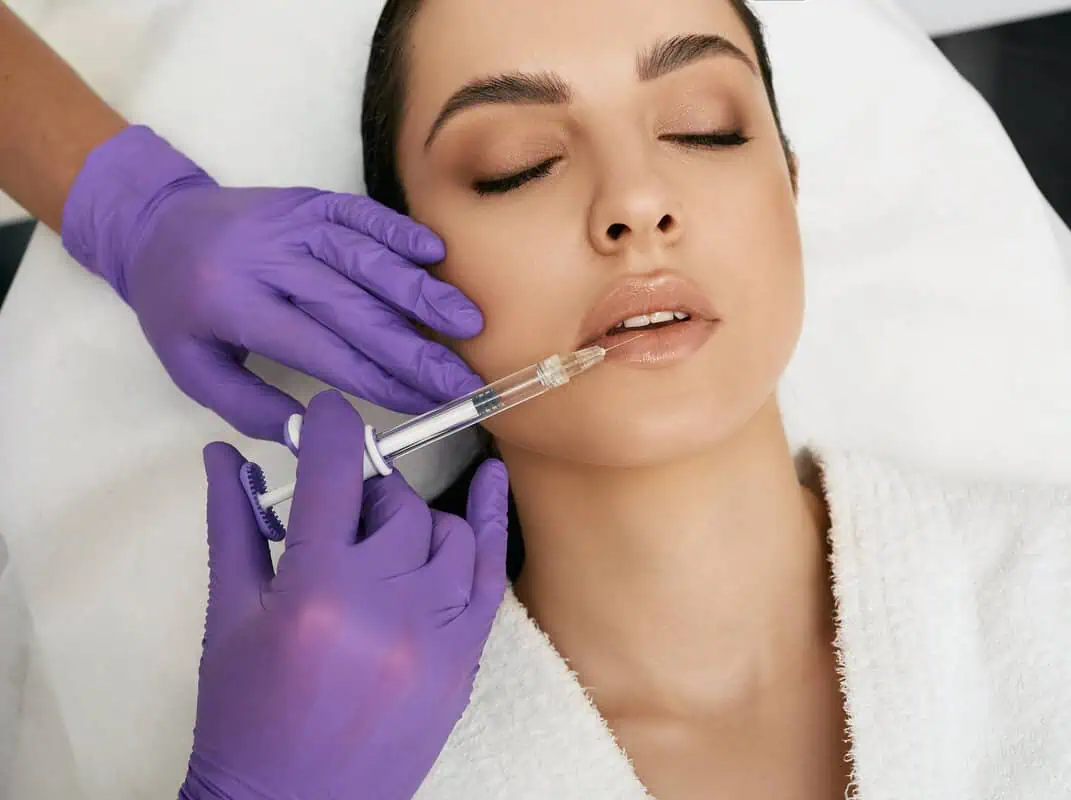
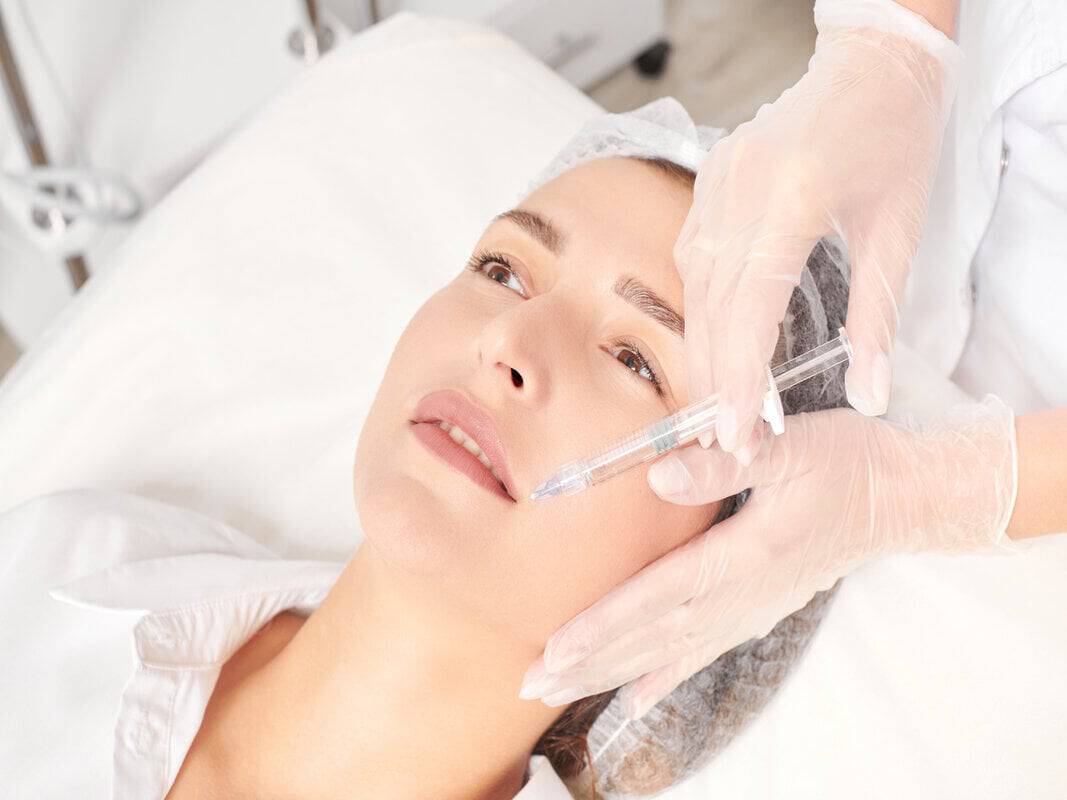
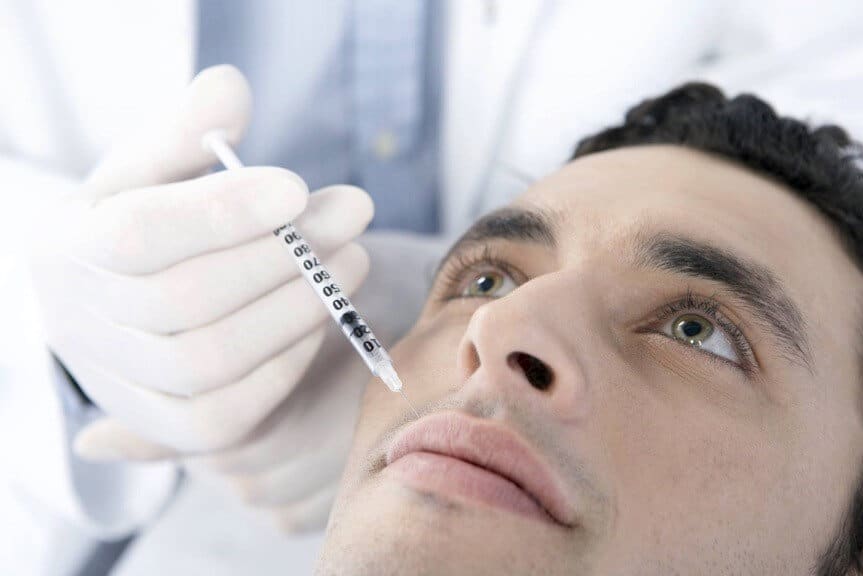
What about fillers to replace lost volume? Hyaluronic acid fillers (Juvederm, Restalyne, etc) are quickly replacing the facelift as the mainstay of youth-i-fying the face. Hyaluronic acid is naturally occurring in your skin already. They are FDA approved for correcting “parentheses lines” around the mouth and nose and the “marionette lines” from the corners of the mouth downward. They can also be used to make the lips fuller and to correct those lines around the lips. “Off-label” they are being used for plumping the cheeks and filling hollow temples as well as for filling scars and correcting asymmetry anywhere on the face.


How long do fillers last? Nine months to more than a year and with subsequent “corrections”—along the way, less and less product tends to be required. The cost runs $550 to $2000+ for full correction, depending on how much volume has been lost over time. Bruising and lumps are common within the first few days after a procedure, but you can minimize this by eating pineapple for the preceding few days and taking arnica tablets before and after the procedure. Within a week the filler becomes your own tissue and feels completely natural.

Posted in beauty, cosmetics, mind and body balance, Nutrition, Skin Care | Comments closed

Hormones, Bottled Water and Obesity: What You Don’t Know Makes You Fat

Obesogens are foreign chemical compound s that disrupt human development and metabolism and cause obesity. They are found in our bottled water (BPA) and canned foods as well as in pesticide residues in food, some shampoos and cosmetics.  They make us fat; they make our children fat and they interfere with our sex hormones.  Their effect on infants when mothers are exposed during pregnancy is particularly notable.  Read more in Nicholas Kristof’s excellent article from the NY Times.

Posted in hormones, obesity | Comments closed

Get That Glow


If your New Year’s resolution includes a fresher, brighter, more beautiful you—why not start with square one? (Your skin.) Here are three mind, body, spirit tips to shine:


1) Protect It:

Applying SPF-30 (or higher) to exposed skin in an elegant, non-toxic form is a daily must, even in the winter months. In our fair city, the UV index remains moderately high even in January. But brown spots, premature aging, and skin cancers can be prevented with a morning application of your favorite, carefully selected product. I say carefully selected because not all SPF ratings are the same (most don’t relate to UVA protection, only UVB), and mineral sunscreens (those that include titanium dioxide and zinc oxide) deflect the sun without being absorbed into the skin, which is healthier.


Some of my favorite daily sunscreen products include two locally developed brands: Mission Essentials SPF-30 (we love this product so much, it is our “house brand” at my office) and Luca Max Sport Spray SPF-30, a pump spray and a favorite of my active male patients for its ease of application. I also recommend SkinCeuticals Physical Fusion and Sheer Physical UV Defense, which are both SPF-50 and have a light-as-air feeling, even while offering water resistance and oil-absorbing coverage.


2) Breathe It:

Did you know your skin looks and feels better when it is oxygenated? One of the best ways to ensure that all of your cells are getting the benefit of maximum oxygen tension is to exercise regularly, using a breath-based exercise practice such as yoga, pilates, or vigorous walking. A breath-based exercise practice pairs deep, conscientious breathing with movement. This does two things: the deep inhalationups the oxygen content, bringing vitaility to all the cells of the body (in skin, this causes a glow), and a full exhalation decreases inflammation throughout the body (by raising the internal pH of the cells).


*Hint: Lactic acid is what causes muscles to be sore. Soreness can be a clue to breathe more deeply and slow it down a bit.


3) Meditate on Beauty:

I can not overemphasize the power of thoughts and images to create positive change in the skin and in our overall appearance. Culturally, we are trained to be critical of our appearance, but that is not our real truth. There’s a meditation that I do myself and which I highly recommend to restore the remembrance of beauty. Try it for just three minutes a day for about three weeks and see how radiant you feel.   Here ‘tis:


Close your eyes. Take several slow breaths and focus on the image of a pale, soft pink rosebud in the center of your chest. Feel your heart “smile.” Feel the smile become a little brighter each time you inhale. You can let the smile spread throughout your body and you may even feel it in your face and in your eyes as you see and feel the pink rosebud there in your chest.


Tah dah!! To a resplendent and beautiful you in 2013!!

Posted in beauty, mind and body balance, Philosophy, Skin Care | Comments closed

Get Holiday-Ready Skin… My 4 Best Tips

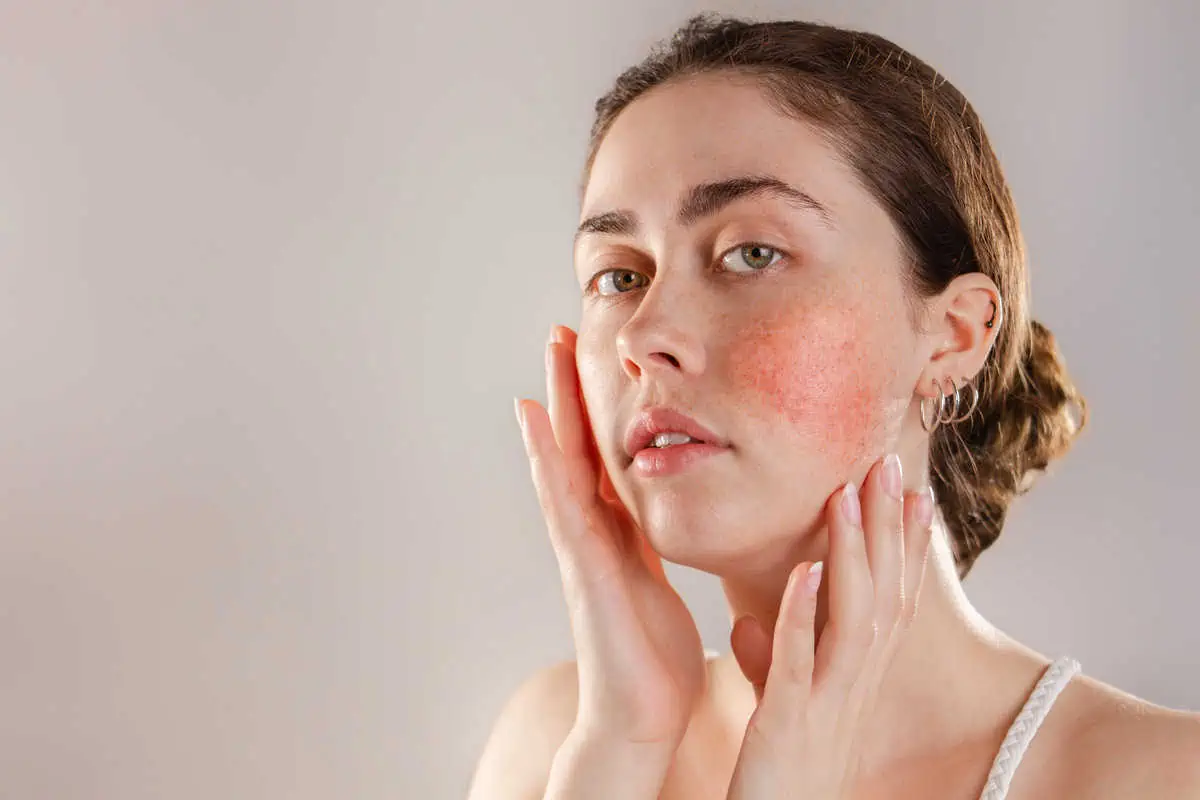
Red and flaky skin can have you sulking through the season, looking more like Rudolph than a glowing party princess. Plus, parched, dehydrated skin? That’s a hallmark of winter.  But no matter, I’m going to give you a few of my favorite skin-saving tips to have you looking fabulous for the decadent, festive season. Here we go:

1. Turn to hyaluronic acid. This is a “goo” molecule that’s a primary player for hydration in skin, particularly helpful when the barrier has been compromised by cold days, travel, and too many drinks (alcohol and caffeine!). It can be used liberally, even in acne-prone skin because it does not clog pores. My favorite formulas include supercharged bonus ingredients such as Vitamin B5 for skin repair (as in Skinceuticals B5 gel) and growth factor peptides (Neocutis Bioserum) to really plump the skin.


2. Change up your facial lotion for a more emollient cream, which can help combat stressed-out skin. See, when we eat too many carbs, skimp on sleep, and stress out, we “sugar-coat” our cells. That’s right: we add a sugar molecule to our cells in a process called glycation. Think of a Snicker-doodle, all cracked and rough textured on the surface! This is what sugar looks like on our skin cells too, making us look older than our years. Minimizing white flour and sugar, breathing deeply, and retiring early are all ways to minimize glycation of all our tissues. One rich emollient, specifically targeting the sugaring of skin cells, is the aptly named Skinceuticals A.G.E. Interrupter (Anti-Glycation End-product). It takes the “crepe” out overnight.


3. Calm the Rudolph effect. For red flaky and swollen skin, I’ll sometimes recommend a very light topical steroid lotion for three or four days.  My favorite is a super smooth Aquanil-HC lotion (Pearson and Covey). In general, a steroid lotion is a quick fix, not a daily solution (long term use can cause thinning of the skin). Hyaluronic Acid gel is, again, very helpful here. For redness I like a formula with extracts of thyme and cucumber, which cool down inflammation. Skinceuticals Phyto-Corrective Gel is my go-to for reddened stressed skin.


4. Finally, don’t forget your sunscreen this winter. Even though the days are cooler, the UV factor remains high in Charleston year-round. I prefer a mineral-based formula, which also protects from wind burn. My fave is a product created locally by Gail and Steve Solomon, a.k.a.: Mission Essentials. It is our staff favorite!

Posted in Nutrition, Skin Care | Comments closed

Don’t Flip Out if Your Hair Falls Out

Ladies, a health crisis—particularly one brought on by aging—is never pretty. Believe me, I’ve been through it. But when it has to do with our hair, or loss of it, it’s cause for five-alarm panic. I see a lot of this in my practice. Hair loss is many women’s worst nightmare, and most physicians do not have a clue of how to treat it.

Mark my words, it’s almost always treatable. Some women do indeed have the gene for baldness, but genes are not the final word—remember the concept of epigenetics that I wrote about last time; specifically, what we eat, what we drink, what we smoke, and what we think can change the expression of our genes permanentlyand for successive generations. by altering our life and health choices, we can alter the activity of our genes and turn them on or off.
When patients who are experiencing hair loss are questioned further, most have symptoms of burnout, such as insomnia, anxiety, brain fog, loss of libido, slowed metabolism, weight gain, and quite often, depression. Rather than seeing the skin and hair in isolation, I like to approach their restoration by optimizing hormones, sleep, and nutrition, which can ameliorate not just the hair and skin problems, but can improve other symptoms as well.
Typically, lab values for thyroid, progesterone, estrogen, and other health parameters may be in the “normal range.” This means in a traditional medical model, no therapy will be offered. I liken the “normal range” to a passing grade which has been curved to assure as many people as possible will pass. And within that range, we have As and we have Ds—where would you rather be?
Truly, “normal values” are an average of everybody’s values, not the healthiest ones among us. And, the ranges are skewed down each decade to reflect the average decline of age. We feel, look, think, and function better when our hormone and nutritional parameters are in the “optimal range,” or the upper end of the spectrum.
While it might seem that I am stepping beyond the bounds of dermatology with this hormonal solution for hair loss, here’s the bottom line: it works. Supplementing with hormones, vitamins, and minerals helps preserve hair and allow it to grow back if it has been compromised. Not only does this approach work, but it is also safe (I covered this in Part II of my A-Game series) and meanwhile, it’s protective against other degenerative changes of aging. Not a bad deal: baldness to badass in four months or less
Posted in bioidentical hormones, hair loss, health optimization, Nutrition, Thyroid Hormone | Comments closed

Your A-Game, Part IV: Meet the Sex Stars

I’ve told you about how, in my mid-30s, I suffered a personal health crisis. My own successful recovery using supplemental bio-identical hormones and nutrition launched me on a path of learning what the “new game of medicine” is.


… And what is it? Well first, let’s talk about the old game. In the old game of medicine, we wait for the body or mind to degenerate, then either address the problem—be it blood pressure, cholesterol, depression, anxiety, bone loss, diabetes, etc.—with drugs, or ignore it. Though most of these treatments work pretty well, most have side effects and don’t work for everyone. And for some things, like Alzheimer’s disease, there aren’t effective drugs. In this game, we hope and pray we stay healthy. We may exercise and eat well most of the time or some of the time. In general, however, we accept our genetics as we accept the risks of dementia, bone fractures, heart attacks, cancer, and arthritis.


“Restorative medicine” and “health optimization” are both terms for playing the new game of medicine, which puts the focus on the root causes of illness, rather than just addressing the symptoms. In the new game of medicine, we know about epigenetics—the ability to override our genes by the addition of a tiny chemical “tag,” which can be switched on and off with choices that an individual makes. What we eat, what we drink, what we smoke, and what we think can change the expression of our genes permanentlyand for successive generations.


Our hormones are one of the most powerful epigenetic tags we have—they can turn off degeneration and disease. And we have the ability to supplement bio-identical hormones that are designed to fit like a lock and key mechanism with your body, turning on youthful restorative effects that can repair, rejuvenate, protect, and prevent. In my last post, I covered the key players in the family of bioidentical hormones, including thyroid hormone, melatonin, DHEA, and others. Now, as promised, here the sex stars, which really deserve their own time in the spotlight. Both men and women have all three of these sex hormones (progesterone, estrogen, and testosterone) just in different proportions.


THE SEX HORMONE STARS: What they are and what they do

Progesterone: Mainly a female hormone, it typically declines in our 30s, causing depression, thinning hair, bone loss, and fertility issues. Progesterone is “pro-gestational,” meaning it supports fertility and pregnancy. It works in harmony (or disharmony) with estrogen to balance our moods, protect from cardiovascular disease and cancer, help maintain strong bones, and keep us healthy throughout our adult life. According to my friend and mentor, Dr. Sangeeta Pati, “A decline in progesterone levels is the most common reason for a Prozac prescription.” The majority of the women I see for hair loss have low progesterone levels (and low thyroid levels), and some of these women also have had fertility problems. The good news? Progesterone can be supplemented to an ideal level and is a safe and effective treatment.


Estrogen: This hormone comes in three flavors: E1, E2, and E3. For the vast majority of benefits, E2 (or Estradiol) is the key player. It protects in much the same way as progesterone goes against decline and degeneration in all organs. E3 (Estriol) has the best effect on skin and vaginal tissues, making the epidermis firm and juicy, but it delivers less total-body benefits and protection. E1 (Estrone) tends to dominate after menopause, and can actually be detrimental to health when supplemented in excess. Usually Estradiol is what we are talking about in bioidentical hormone replacement. For optimum safety, it should be used topically (applied directly to a part of the body). Estrogen has a protective effect on cardiovascular health in both women and men, but, culturally-speaking, we don’t like man-boobs, so estradiol is not a popular supplement for men.


Testosteone: A male and female hormone of metabolism, libido, sexual response and orgasm, muscle strength, body composition, stamina, mood, mental clarity, memory, and energy. Clearly, testosterone is powerful! It is illegal for professional athletes to use as a supplement because of its potential enhancement on athletic performance. But for the rest of us, it is fair game. When used under a doctor’s supervision it is safe and effective in health optimization—cream and injectable forms are most popular in my practice. Testosterone can be a great help to a man entering andropause (more on this next time) or a woman with a withering libido.


There you have them: your very own ménage a trois!

Posted in bioidentical hormones, health optimization, mind and body balance | Comments closed

Your A-Game, Part III: The Key Players

Let’s keep talking hormones and how they can help you stay healthy. In the first of this series, I explained how I got started on a path of bioidentical hormone use and how I’ve come to understand its benefits. And in the second installment, we debunked a few hormone-related myths—first, that “natural” and “bioidentical” do not mean the same thing. Just like Cinderella and her glass slipper, your hormones should be an exact fit for your body (aka bioidentical). Second, we cleared up the misunderstanding that hormone therapy leads to an increased risk of cancer and stroke. (We actually see protection against these events, not an increased risk.) And now we approach another:


Myth #3: Bioidentical hormones refer specifically to sex hormone replacement therapy for women during menopause.


Not true. There are actually other key players which offer both men and women sustained health and vitality. The sex stars—estrogen, progesterone, and testosterone—get a lot of play, and I’ll cover them in a separate post. But the non-sex hormones, are equally as crucial for vitality.* Here they are:


NON-SEX HORMONES FOR HEALTH OPTIMIZATION 

Thyroid hormones (T3 and T4): These Energizer-bunny hormones are motivating energizing activating substances. They boost metabolism and clear the brain. They tend to make us (especially women) feel good mentally, emotionally, and physically. Supplementation of thyroid hormone to high normal levels can lower cholesterol, help restore hair loss in women, help with depression, and help us maintain an ideal body weight.


DHEA: An age-gauge of emotional and physical health, stamina, immunity, and muscle mass, DHEA can help suppress inflammatory conditions such as lupus and psoriasis. There is a lot of hype in the body building community about DHEA because of its muscle building abilities. When used properly—in a sustained release formula with doctor supervision—this is a very safe and effective health booster and mood booster.


Melatonin: This restorative sleep elixir helps you get to Stage IV sleep, which is where you repair your adrenals and immune system. We make plenty of melatonin as babes and teens, but many of us stop making it as we get into adulthood. If you take melatonin nightly, you’ll notice that not only do you adjust more easily to jet lag, but you also don’t get that cold that is being passed around. It works with the darkness to make you sleep deeply and restfully, which kicks the body’s repair mechanisms into action.


Cortisol: Think of it like a credit card of stress response, financed by your adrenals. You can spend, spend, spend, but if you don’t repay with sleep and restoration, you will bankrupt your body. Cortisol levels tend to go higher and higher and then collapse. So an early sign of adrenal trouble is actually a high morning cortisol level.


Oxytocin: Meant to stimulate bonding and relaxation, this hormone is released with nipple stimulation and after orgasm. It is a “love hormone” and may be responsible for the term “pussy-whipped” as it applies to sexually satisfied men.


Human Growth Hormone: Much maligned and over-priced, this hormone may be better named the Human Healing Hormone as its effects on healing and regeneration are profound. If I had severe arthritis or degenerative disease, I would definitely consider taking this hormone.


Pregnenolone: the Mother-of-all hormones, this precursor molecule is a boon to all the hormone pathways and is a known memory aid. When taken as a supplement, its effects are less noticeable than some of the others.


*Everything I’ve learned about the effects of bioidentical hormones occurred after leaving my formal medical training, during a process of seeking my own health. Though clear support for their use is found throughout the medical literature in reputable journals (such as JAMA and NEJM), it is not yet mainstream medical practice to prescribe them to optimize health. Doctors, like any group of individuals, tend to disagree amongst themselves. If you mention to your doctor something you’ve read here and it is met with derision, keep that in mind.


Coming up next week: The love triad: estrogen, progesterone, and testosterone.

Posted in bioidentical hormones, Cortisol, DHEA, hair loss, health optimization, Human Growth Hormone, Melatonin, Thyroid Hormone | Comments closed

Your A-Game, Part II: Hormone Myths Debunked

In my last blog, I told you about how, in my mid-30s, I was energy deficient and moody, losing hair and losing sleep. I got some good advice from my doctor about taking a closer look at my nutrient and hormone levels (which change as you get older, as your body changes), and it made a world of difference. Now: what kind of hormones should you be using, if you choose to? To understand what should go in and why—particularly as words like “natural,” “bioidentical,” and “synthetic” are being floated around health news without much explanation—let’s debunk a few key myths about the difference.

Myth #1: “Natural” and “bio-identical” mean the same thing.

In the realm of hormones, this is a source of confusion. Bioidentical refers to the shape of the molecule, rather than the source of the hormone. They’re either extracted and modified from natural sources orcreated from scratch in a laboratory to exactly match the hormones your body produces. They are what your body naturally recognizes and uses during your life to promote vitality and optimal function.

Hormones can also be marketed as “natural” or “plant-based,” yet not be “bioidentical” to native human hormones or perform as such in the body. We have receptors on every cell in our body for hormones, and these receptors are very specific (like a lock-and-key mechanism). Non-bioidenticals jam into that lock, but they don’t turn the mechanism and open the door to unlock the profound downstream benefits of hormones that are shaped exactly right. And unfortunately, the metabolism of an imperfectly fitting hormone can have damaging effects.

Bottom line: “Natural” doesn’t make a hormone a better fit with your body; whereas, “bioidentical” are designed to be exactly that.


Myth #2: Hormone replacement therapy (HRT) causes cancer and strokes.

Not quite. Think about it this way: we know that premenopausal women have fewer incidences of strokes and cancer than men and post-menopausal women. Why? Estrogen and progesterone have protective qualities against strokes, heart disease, cancer, and clotting. We also know that birth control pills are risky in women who are over 35, smoke, or have a history of blood clots. In other words, birth control pills, like synthetic (non-bioidentical) hormone replacement therapy, are not an exact fit for our bodies.

In 2003, a Women’s Health Initiative study demonstrated an increased risk of breast cancer, heart disease, and stroke in women who were treated with HRT, and many physicians turned against the use of female hormones. But the therapy of the study participants was, for the vast majority of users, the synthetic hormone combination of Premarin® and Provera®. What is important to know (and what many women already know) is that Premarin and Provera are not bioidentical hormones. The patented molecular structures of these hormones are different from what your body makes naturally. That means they are metabolized differently and have side effects related to their foreign molecular structure. An article in the Journal of the American Medical Association recently noted that Premarin contains 10 estrogens not found in the human body (it is extracted from the urine of pregnant mares). Three recent studies have demonstrated an eight-fold increased risk of cancer when Provera was added to estrogen.

On the other hand, bioidentical estrogen-progesterone treatment (in a proper ratio, and with estrogen applied topically, not orally) protects against general health decline and has a neutral or slightly beneficial effect on breast cancer rates when compared to non-hormone users, as shown by the French Cohort study in 2002. In addition, they significantly reduce the risk of all other types of cancers.

More next week on the key players of hormone replacement for women and men.


Posted in bioidentical hormones, cancer, health optimization | Comments closed

How I Got My A-Game Back (and No, It’s Not Hype)

How I Got My A-Game Back (and No, It’s Not Hype)

Posted On:

August 20, 2012 – 3:36pm
– /

I started to learn more about the concept of restorative medicine out of necessity. I was in my mid 30s and my own health seemed to be declining more quickly than ever. I was losing hair, sleeping poorly, and having anxiety, mood swings, and low energy. I also had the worst digestion of my life—always a tummy ache!


I was fortunate, then, to visit a physician who suggested optimizing my hormones and nutritional status before turning to pharmaceutical interventions.


What does this mean? Well, we drew blood to test for basic health parameters and hormone levels: thyroid, DHEA, progesterone, estrogen, melatonin, pregnenolone, and testosterone. We also looked at micronutrients and antioxidants through specialized blood testing.


As a result, I was able to pinpoint hormone and nutrient levels that had dipped to low and mid-ranges, and boost them up to where they needed to be. Within the first four months, my hair stopped falling out, I started sleeping well, I didn’t need the afternoon cup of coffee, my belly fat melted away, anxiety and mood improved, and I felt a boost to my sexual health.


Through my own experience, I’ve come to understand how hormones work in concert with nutrition for full vitality. The more I research the benefits of hormone support and optimization, the more I understand that I am not only improving how I feel today, but I am also investing in my future health: protecting my brain from memory loss, depression, and Alzheimer’s; my bones from osteoporosis and hip fracture; my heart from angina and heart disease; and my immune system from the onslaught of cancer and infection.


For the past six years, I have felt so much better than I did when I started down this path at age 35. Restoring hormones to optimal levels offers a more natural approach to health than a pharmacological panoply of treatments conventionally offered for the aging process—and hormones offer positive side effects (such as increased libido and a leaner body composition) rather than the negative ones commonly seen with more foreign interventions, like anti-depressants, cholesterol-lowering agents, sleeping agents.


I embarked on this course of study, at first, out of sheer fascination, without knowing how it would fit in with my chosen field of dermatology. I have since come to see hormones and nutrition as inseparable to what we see on the skin and hair. When I hear complaints of hair loss, acne, skin wrinkling, and allergies, I understand how these concerns relate to imbalanced or declining hormone levels and nutritional state.


Restorative medicine is a new approach, which can reverse root causes of decline and disease and which offer a whole body approach to wellness. The process of optimizing health is multi-faceted; it is not often the case that correcting one hormone will make the difference in overall health. Hormonal and restorative medicine requires testing and consultation time that generally falls beyond the scope of usual insurance coverage. (These therapies are preventative medicine; insurers are geared toward the treatment of disease rather than preventing disease.) However, the medical literature and personal experience have convinced me: the benefits of nutrition and hormone optimization are profound and life altering.

Posted in bioidentical hormones, cancer, health optimization, mind and body balance, Nutrition | Comments closed
  • Dr. McLean Sheperd

    Dr. McLean Sheperd, of Sheperd Integrative Dermatology, is a board certified dermatologist, advocating a whole body approach to skin wellness. Dr. Sheperd pairs traditional practices with holistic and organic healing for a comprehensive and tailored treatment plan based on individual patient needs.